
Lead Work & Flashing
Traditional Leadwork,
Done By Hand.
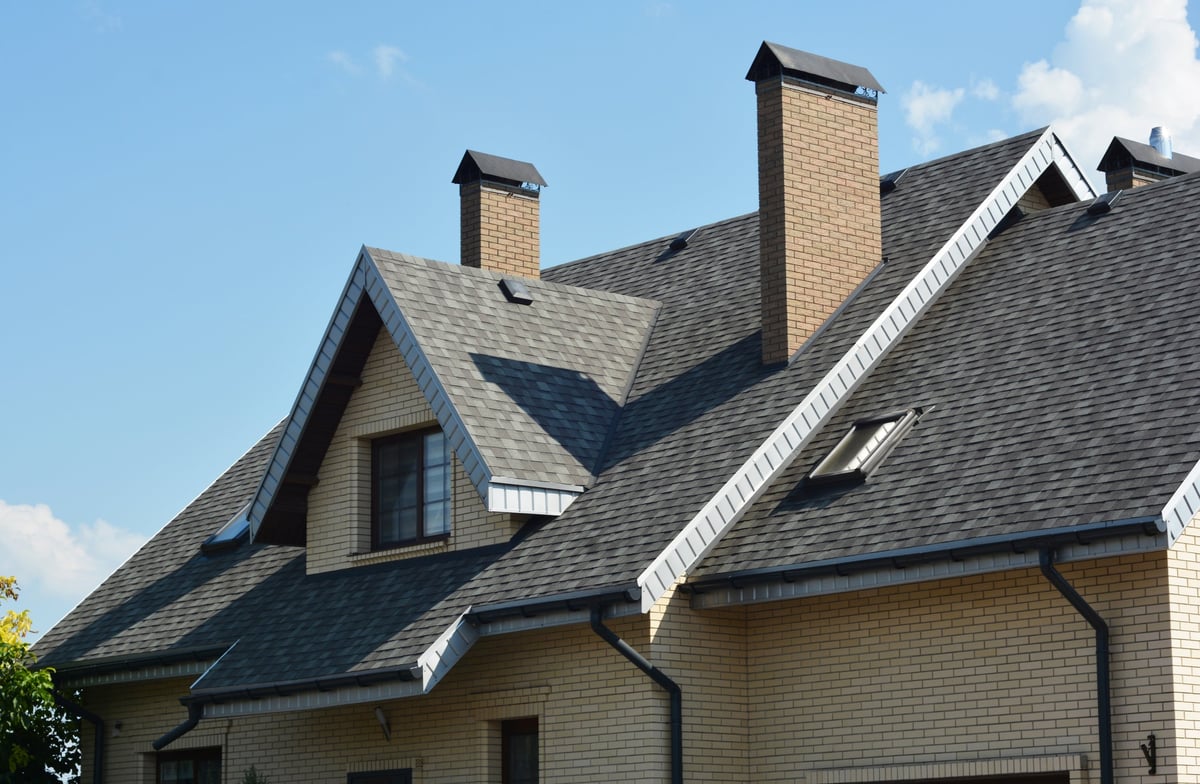
Lead is what stops water getting in at the awkward places — around chimneys, in valleys, along abutments. When it fails, you get damp. When it's done properly, it lasts for generations.
Why Lead
Nothing Else
Does The Job.
You'll see plenty of flashings done in cement, mastic or cheap substitutes. They work for a season or two, then crack and let water in. Lead is malleable, weathers slowly and lasts decades — which is why it's still the standard on quality work.
Lasts Generations
Correctly installed lead outlives the tiles around it by decades.
Moves With The Building
Lead flexes with thermal movement instead of cracking like cement does.
Looks Right
Done neatly, leadwork looks like part of the building — not an afterthought.
Where We Use It
The Details That
Stop The Water.
Chimney Aprons
The lead seal around the base of a chimney — the most common leak point on any roof.
Valleys
Where two roof pitches meet, lead channels water away instead of letting it pool.
Abutment Flashings
Where the roof meets a wall, dormer or extension. Chased in, dressed and sealed properly.
Gutter Linings
Lead-lined valleys and gutters that outlast modern alternatives several times over.
Dressed By Hand, Not Rolled Out
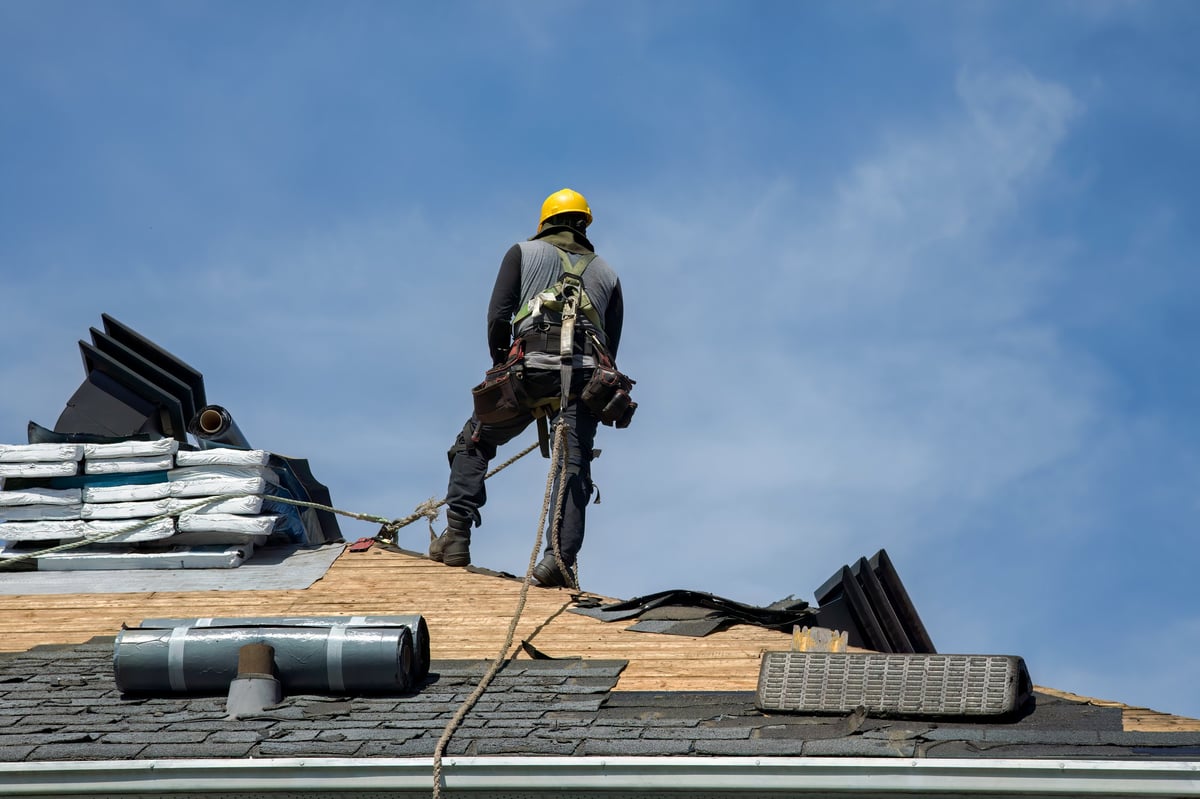
Proper leadwork is a skill. The lead has to be cut, bossed and dressed so it sits tight against the building, with enough play for expansion but no gaps for water. We do this by hand.
- Correct lead code specified for the exposure — not one-size-fits-all
- Chases cut cleanly into brick or stone and pointed properly
- Dressed by hand so it follows the contours of your building
- Patination oil applied so it weathers evenly instead of staining
- Existing good leadwork retained where it still has life in it